
Dining with Mishima Yukio: Five Tokyo Restaurants That Shaped His Life

Dining with Mishima Yukio: Five Tokyo Restaurants That Shaped His Life
November 6, 2025
Japan is known for its writers. Murakami Haruki, Natsume Soseki. You probably even know about Murasaki no Shikibu. But in the modern era, there are none more well-known than Mishima Yukio (三島由紀夫). His life, works, and death are the source of much discussion on the internet. A one-of-a-kind personality, people still aren’t sure of what to make of his legacy. Whatever you think of him, what is definitely true of him is that he was a thoroughbred Tokyoite – the neighborhood in which he was born and the place where he died are even within walking distance of each other.
Throughout his 45 years, Mishima lived almost exclusively in Tokyo (東京), leaving only briefly for work, travel, or other obligations. Having passed away only in 1970, it’s still possible to visit many of the same places he did, with several even remaining unchanged from their form in the Showa era (昭和時代). Focusing on his gastronomic haunts, let’s take a trip back to Post-War Japan, a time of rebirth, shifting politics, and changing identities.
1. Katsukichi Suidobashi
Address: Zensui Kaikan, 1-4-1 Hongo, Bunkyo
Open: 11:00–21:30
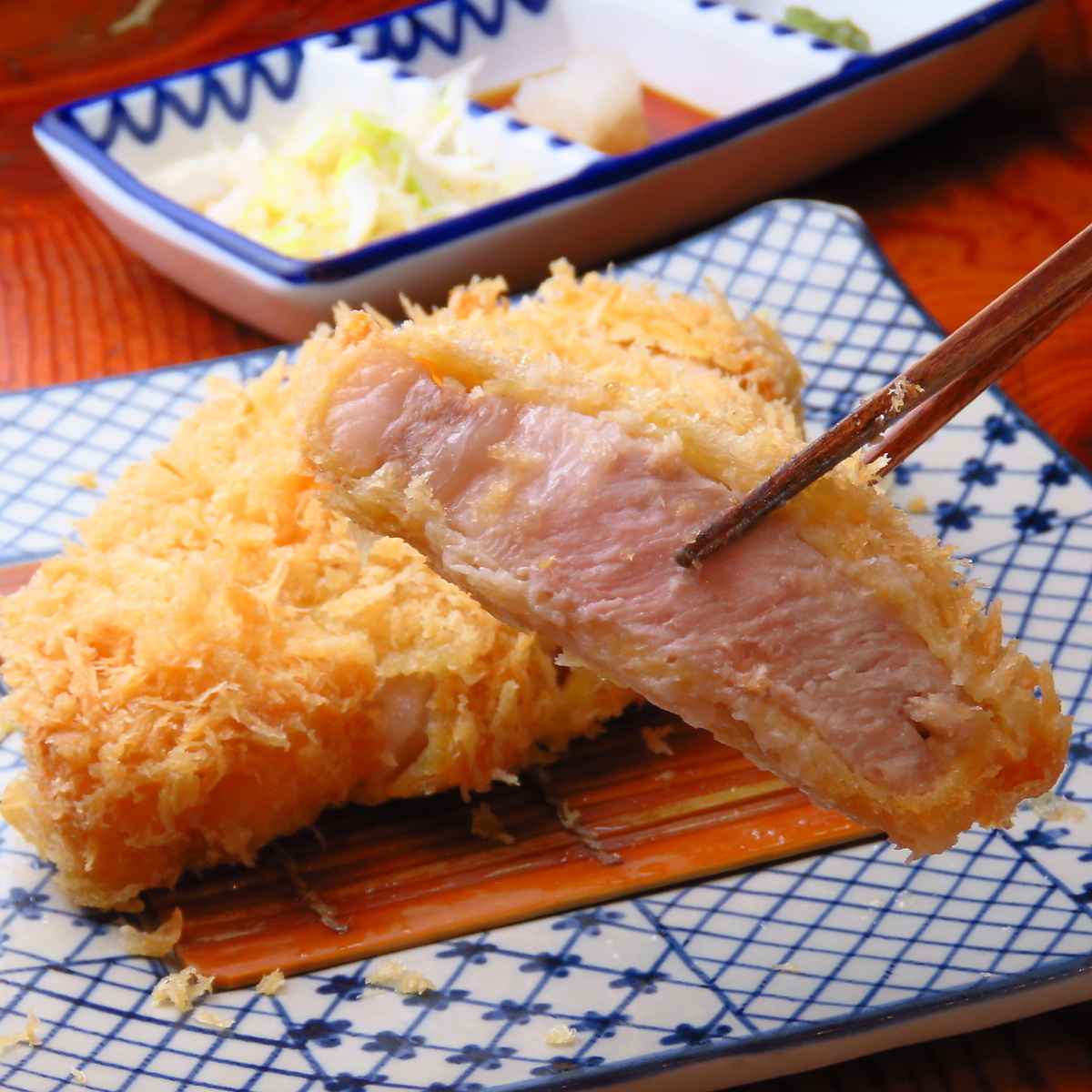
Mishima was known for his obsession with the body – with toning, sculpting, and disciplining it into a vessel of perfection. Yet he was also a man who loved the earthy joy of eating. Katsukichi Suidobashi was one of his favorite post-gym haunts. He’d often order a steak, the natural protein being a good way to refuel. He’d also visit with his children, usually after having visited the (former) Korakuen Amusement Park. Much of the atmosphere remains as it did back then.
There are more than 2,000 antiques lined along the walls, testifying to the establishment’s timelessness. Given that the restaurant is named for its pork cutlet (Tonkatsu), I recommend it. There’s something about the fattiness here that leaves an impression. Of course, there are other options. I was fond of the Katsudon meal set they offered when I visited. I found it to have a very complex, but distinctly Japanese taste, which is hard to describe unless you’re very familiar with Japanese food. I’d give it a try anyway — the combination of both eastern and western flavors makes it stand out compared to other restaurants in Bunkyo ward.
2. Gallery Café Miro
Address: 2 Chome-4-6 Kanda Surugadai, Chiyoda
Open: 11:30-16:00 PM (Closed Saturday, Sunday)

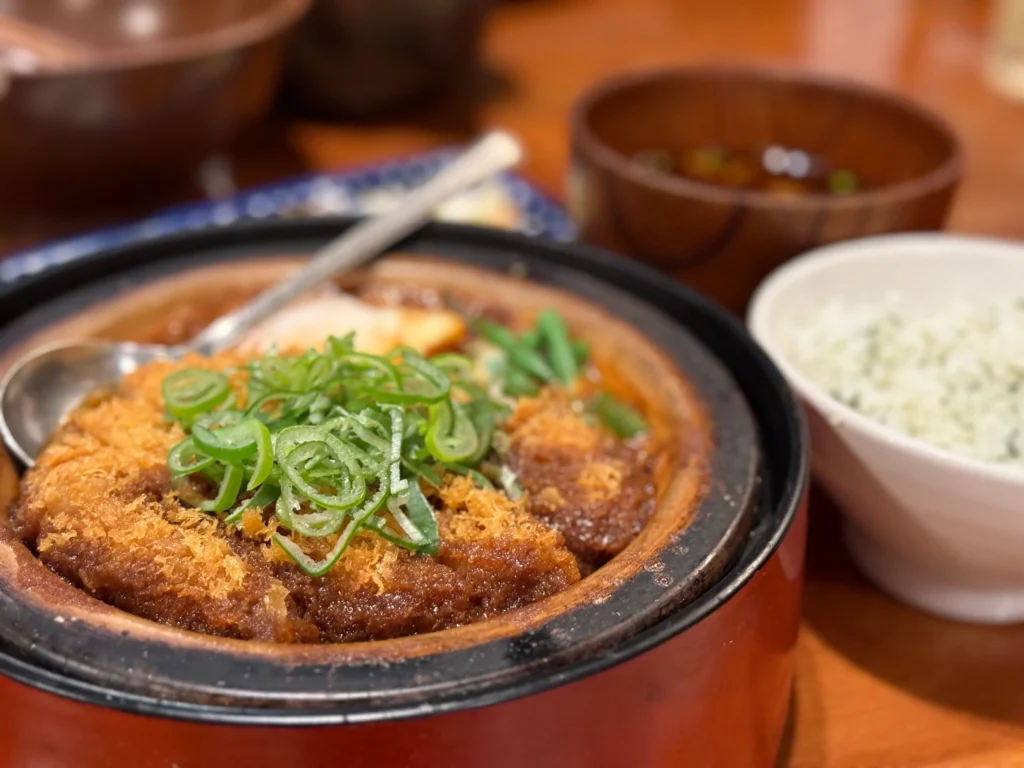
More than anything in his life, Mishima cared about art. He wrote about it constantly. More than just writing, he cared about music, paintings, poetry, movies, theatre – the man was thoroughly in love with art. So it makes sense that this was a go-to of his. Close to the entrance is the table where he once sat; to commemorate this, there’s a small picture of him right behind it. Instantly, you get a sense that it’s a classy joint, authentic paintings by Joan Miró lining the walls. Mishima would do work here, greeting editors, and enjoying his coffee with cream.
I’m fond of how quiet it is here. It’s hidden away, just out of public view, and you get the sense that it’s only regulars that keep this place alive. I enjoyed the Napolitan spaghetti when I visited. This is one of those comfort foods that your mother might make for you as a kid in Japan, so when it came out, it felt like I was going back in time. I also enjoyed the coffee jelly — maybe I’m getting old, but it suited my palate. Honestly, you can’t go wrong with anything here. It’s all suitable for a light, relaxed meal in Jimbocho or Ochanomizu, perfect if you’re exploring Tokyo’s literary district.
3. Suegen
Address: 2 Chome-15-7 Shinbashi, Minato
Open: 11:30-20:30 (Closed Sunday)
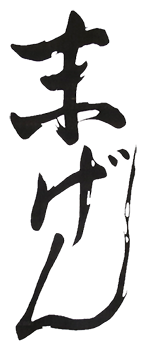
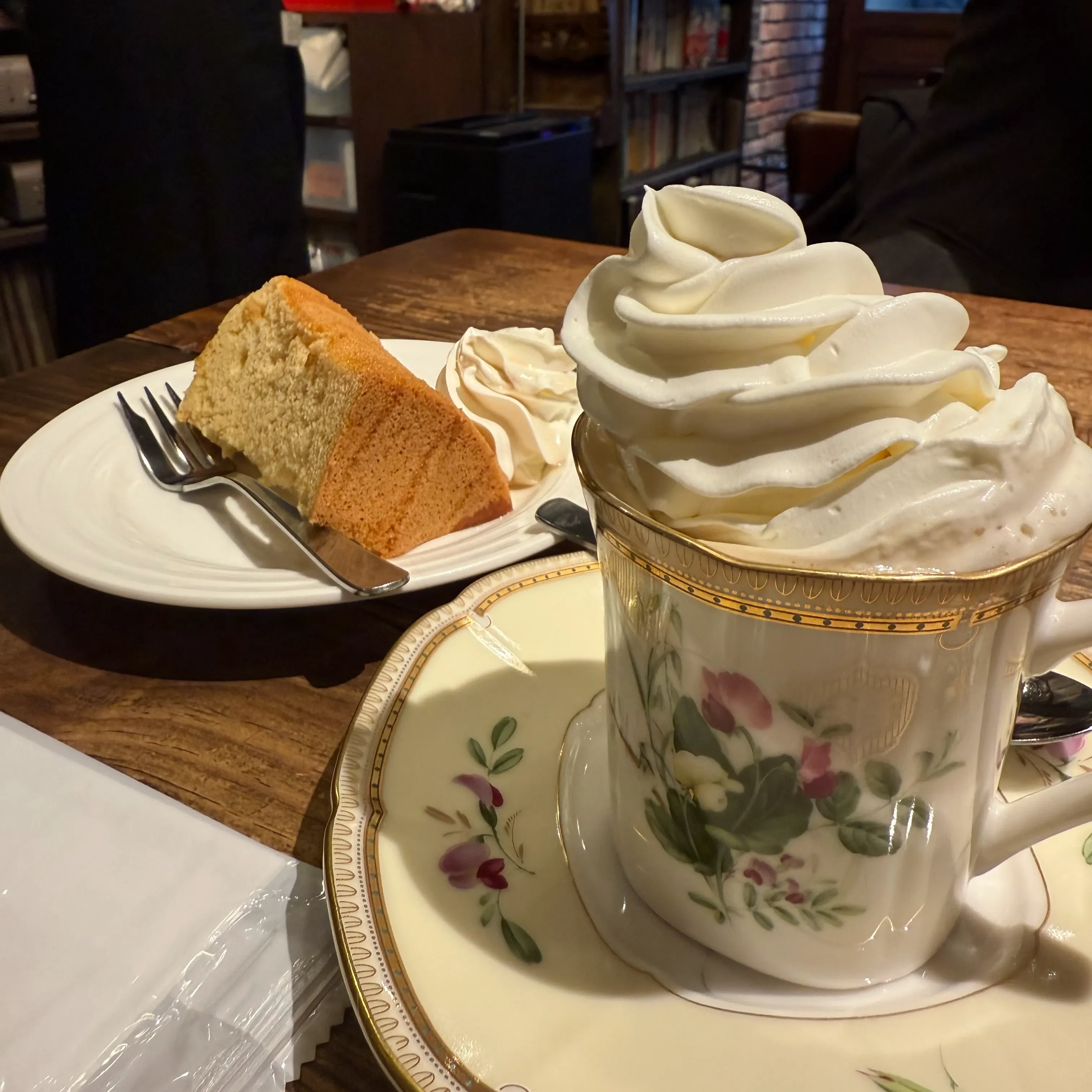
No discussion of Mishima’s life is complete without discussing Suegen, one of the most famous traditional restaurants in Shimbashi. The night before he finalized his legacy, this was where he and his companions had their “Last Supper.” Ordering seven bottles of beer and a specially-prepared hotpot, they had what was surprisingly a merry night, knowing that in the morning ahead, at least one of them wouldn’t be living anymore. He didn’t visit just the once, though – he often seems to have visited with his family, and even with friends, while he was a student. Remaining a constant feature of his life, it’s safe to say that Suegen was one of Mishima’s favorite restaurants in Tokyo.
We cannot talk about Suegen without talking about its signature dish: the “Wa” gamecock hotpot (軍鶏鍋). It seems to have been a favorite meal of his. He’d order it often, and I can see why – compared to regular chicken, the meat here is more “wild.” It’s hard to explain. I want to say the flavor is stronger, with a firmness hard to find in normal chicken. I might compare it to the difference between horse and beef. You don’t have to get it, though. The oyakodon offered for lunch is sweet, fluffy, easy to eat, and great as a way to recharge while running around Minato-ku. I will note, however, that the standout really is the “Wa” hotpot. If you want it, you have to reserve it in advance. Give it a try. You won’t regret it.
4. Donzoko
Address: 3 Chome-10-2 Shinjuku, Shinjuku
Open: 17:00-23:30 (From 11:30 on Sunday and Saturday)

Here is a personal favorite of mine. Open since 1951, this Showa-era tavern in Shinjuku has long been one of the most preeminent hangouts for Tokyo’s cultural elite. Most noteworthy of them, from a Western perspective, is probably Kurosawa Akira, the genius behind such films as Seven Samurai, Rashomon, and Ran. Regarding Mishima, he is said to have come here to just enjoy the conversation. He preferred not to drink here – it was bad for his muscles – but he’d come to hang out, laugh, and share stories with anyone who’d listen. Don’t take my word for it – there’s a big guest book of famous patrons, which the staff are happy to show. It’s a great window into the world of postwar Japanese art and literature.
It’s hard to find fault with any of the menu here. The beer is good. The food is good. Everything is good. I, surprisingly, found myself fond of the house salad. A hearty carnivore, I just couldn’t help but find it relaxing in a way that I usually don’t when it comes to other establishments. The pizza is also a standout, its slightly chewy cheese perfectly to my taste. The only downside is how packed it can get, thanks to its reputation. Fortunately, its sister shop Nadnye (ナドニエ) is a short three-minute walk away. Both offer similar fare, though Donzoko is earthy and rustic, while Nadnye is classy and intellectual. If you’re a fan of Russian literature (Mishima definitely was!), then you’re sure to love this place too.
5. Erika (Ginza Ketel)
Address: 1-40-1, Nishi-Ikebukuro, Toshima
Open: 17:00-23:00 (Closed on Monday)
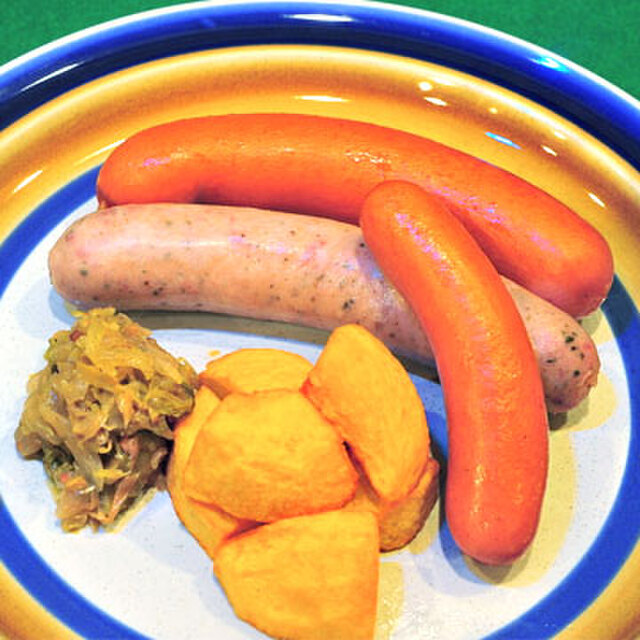
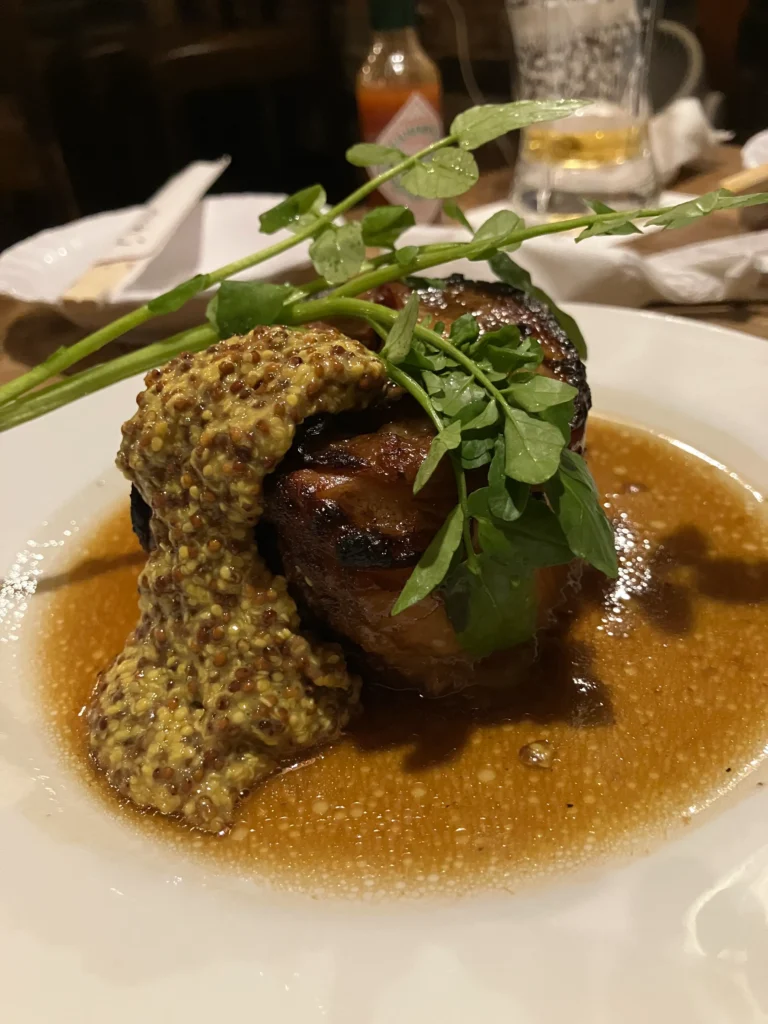
Despite styling himself as a traditionalist, Mishima did have a great appreciation for the West. The fact that he lived in a Western-style mansion in Tokyo, complete with Greek statues and all, is evidence of this. His status as a “Disney Adult” should also be proof. It’s only natural that he’d have a fondness for Western food too. Ketel (ケテル) stands out for its history in introducing it to the Japanese – it was here that authentic German cuisine was first served in the country. Mishima was evidently fond of Ketel; it was there he first met his wife, Yoko, through his friend Yuasa Atsuko. The marriage is said to have been happy – no doubt that the good food left an impression on both.
Unfortunately, the original Ginza Ketel shut down many years ago due to personal circumstances. Carrying on its legacy is a quaint little shop in Ikebukuro, one you might miss if you aren’t keeping your eyes open. Using the same recipes from 100 years ago (the original owner was a German POW during World War I!), I was taken aback by how comforting it was. A potato pancake served with pork and mushroom sauce – I admit I haven’t had much European food, so I was surprised at how perfectly the ingredients worked together. Of course, you can’t talk about Germany without talking about beer or sausage – both were excellent. Do visit, if you feel sushi and ramen have run their course with you.
Summary
Japan has produced many great writers, from Murakami Haruki to Murasaki Shikibu, but few have left as haunting an impression as Mishima Yukio. Brilliant, contradictory, and entirely Tokyo-born, his life and death continue to fascinate the world more than fifty years later. What’s often overlooked, though, is how inseparable he was from the city itself: the cafés, restaurants, and backstreets of Tokyo that shaped his daily rhythms and literary imagination. Retracing his footsteps, we find ourselves at five different places today, each with a long history and its own taste. Whether a misunderstood genius, a flawed person, or both, what is clear is this – he loved to eat, and if he were still around, he’d want to revisit these places himself.
—
Need travel tips and help? Contact us at TABIBIYORI. We’d be happy to help!

If you liked this article,
give it a like!



-

"Beyond Tsukiji!? The Grilled Fish Delight at Shinpachi Shokudo
No need to travel all the way to Tsukiji or...
-
Washing Money
1. Have You Ever Tried Washing Money at a Shrine?...
-
Halloween in Shibuya: What to Know, What to Avoid, and How to Enjoy It
You’ve heard of it. We’ve heard of it. Everyone has...
-
Tokyo Comes Alive in June! Don’t Miss These 5 Matsuri
1. Torigoe Matsuri Dates: June 7-9, 2025Admission: FreeExperience Tokyo’s most...
-
Toyosu Market – The New Food Capital of Tokyo
Toyosu Market is Tokyo’s new central wholesale market, relocated from...

-
Washing Money
1. Have You Ever Tried Washing Money at a Shrine?...
-
Toyosu Market – The New Food Capital of Tokyo
Toyosu Market is Tokyo’s new central wholesale market, relocated from...
-

Food Culture and Specialties at Tsukiji Market!
Tsukiji, known as Tokyo’s good culture center, is a treasure...
-
5 Unique Museums That You Can Find in Tokyo
Tokyo is home to some of the most prestigious museums...
-

5 Things to Watch Out For When Visiting Japan in the Summer
Japan is well-known for its four seasons. Spring is pleasant...