
NEWS BLOG

Haunted Tokyo: 7 Spooky Sites for Halloween
October 29, 2025
Tokyo is old. Even before Ōta Dōkan built the castle around which the modern city developed, people had been living on the land for hundreds of years beforehand. As such, it’s no wonder that the city is filled with its share of ghosts and haunted mansions. With Halloween on Friday, we’ve compiled a list of seven haunted places in Tokyo where you can feel the chill of history and maybe meet a ghost or two.
- 1. The Grave of Taira no Masakado – Ōtemachi’s Haunted Samurai Tomb
- 2. The Mirage Slope (まぼろし坂) – Tokyo’s Steepest and Strangest Hill
- 3. The Ghosts of Roppongi Hills – Tokyo’s Haunted Luxury Complex
- 4. Tanuki, Badger, and Fox Slope – Tokyo’s Trickster Hills
- 5. Sengakuji – Restless Spirits of the 47 Ronin
- 6. The Takanawa Underpass – Tokyo’s “Monster Tunnel”
- 7. The Curse of Inokashira Pond – Benzaiten’s Jealous Wrath
- Conclusion: Tokyo’s Haunted Past Beneath Its Neon Lights
1. The Grave of Taira no Masakado – Ōtemachi’s Haunted Samurai Tomb
Taira no Masakado was a Heian-era samurai who led one of the first great revolts in Japanese history. In 950, the Imperial Court killed him in battle and his head was enshrined near what is now Ōtemachi Station, in central Tokyo. Ever since, the tomb has been the subject of strange rumors, all brought on by his restless, vengeful spirit.
During the American occupation, the GHQ attempted to redevelop the land, needing to destroy the tomb to do so. Strange accidents began happening. One American was even killed when his bulldozer overturned. Finally, after much pleading, the work was stopped and his tomb remains today. Ever the watchful spirit, one would be advised to pay their respects, should they ever visit the area. After all, what enemy could be more frightening than an angry samurai ghost?
2. The Mirage Slope (まぼろし坂) – Tokyo’s Steepest and Strangest Hill
You don’t often think of the land itself as mysterious, but to many Japanese, it can be. Hence all the hubbub regarding “Maboroshizaka,” or “The Mirage Slope.” Well-known as the steepest slope in all of Tokyo, it has recently become a social media curiosity for how it seems to just suddenly appear like a phantom rising from the ground.
Within walking distance of Gotanda Station, it’s gained popularity among Tokyo locals and hikers for how surprisingly difficult it is to climb, despite otherwise being a normal slope. It’s really something to behold. It’s a reminder that even Tokyo’s famously perfect city planning can’t quite tame the land beneath it.
3. The Ghosts of Roppongi Hills – Tokyo’s Haunted Luxury Complex
If you’ve been in Tokyo, even a short while, you’ve probably at least passed through Roppongi Hills. But did you know that it’s said to be haunted? The complex was built on what was once a great samurai’s residence, and when he was entrusted with overseeing the seppuku of several of the 47 Ronin, it seems their ghosts remained.
But theirs aren’t the only spirits. A wailing woman is sometimes seen wandering the premises late at night. Where did she come from? No one knows for sure. Some whisper it’s tied to Roppongi’s name, “six trees”, and its position in the 6th block of Minato Ward. That’s oddly close to a certain “Number of the Beast.” Coincidence?
4. Tanuki, Badger, and Fox Slope – Tokyo’s Trickster Hills
There’s not just the Mirage Slope. There are animal slopes too. As previously noted, Tokyo is an ancient city, and before it became a concrete jungle, it was teeming with life. As human settlements spread, they displaced animals — especially the tanuki, badgers, and foxes that once made their homes here.
Legend has it that, made homeless, they took revenge by doing what they did best: using magic to trick humans. Each of these animals is well-known in Japanese folklore for its cleverness and shapeshifting powers. They disguised themselves, played pranks, and caused no end of mischief. Some say you can still see their apparitions today. If you ever find yourself climbing one of these slopes, be careful: that friendly stranger beside you might be a fox in disguise.
5. Sengakuji – Restless Spirits of the 47 Ronin
The Temple of Sengakuji is well-known for its association with the 47 Ronin, the loyal samurai who avenged their master. But did you know that Kira Yoshinaka, contrary to popular depictions, may not have been the villain? He had a reputation as a strict yet honest bureaucrat, while Asano Naganori was known for his temper.
When Asano tried to kill Kira, his punishment by seppuku would have seemed fair by his peers. That didn’t stop the 47 Ronin from taking revenge. Some say their spirits still linger here. Visitors to Sengakuji can pray at their individual graves, feeling a stillness that seems to echo with loyalty, regret, and vengeance. Whether heroes or haunted men, their presence lingers in the Tokyo night.
6. The Takanawa Underpass – Tokyo’s “Monster Tunnel”
Not far from Sengakuji lies one of Tokyo’s strangest modern legends: the Takanawa Underpass, nicknamed “the Monster Tunnel” (オバケトンネル) by Tokyoites. It became famous for its bizarrely low ceiling, just 150 cm! Anyone taller than a middle schooler had to duck to get through.
The tunnel walls were covered in scars from countless collisions – mostly from taxis that misjudged the height. Locals nicknamed it “the lantern killer” for how many lights it destroyed. Sadly, the tunnel was eventually renovated, but you can still visit the site. If you’re lucky, maybe you’ll glimpse the ghostly glow of a taxi’s headlight, forever trapped underground.
7. The Curse of Inokashira Pond – Benzaiten’s Jealous Wrath
Quiet, serene, and surrounded by trees, Inokashira Pond seems the last place to expect anything dark. But as any Tokyoite knows, still waters run deep. The pond lies within Inokashira Park, home to the shrine of Benzaiten, the goddess of beauty, art, and love.
She is said to be jealous, easily angered when couples take her blessings for granted. That’s why locals whisper a warning: lovers who ride the park’s swan boats will soon break up. Perhaps it’s coincidence, or perhaps Benzaiten cannot stand to see mortal love flourish before her divine eyes. Either way, if you visit this haunted Tokyo spot with someone special, enjoy the view from the shore instead. The reflection may be beautiful, but some reflections are best left undisturbed.
Conclusion: Tokyo’s Haunted Past Beneath Its Neon Lights
Tokyo’s modern skyline hides layers of older, stranger worlds. Beneath its neon and glass lie restless samurai, mischievous spirits, and gods still watching over the city they once ruled. These tales aren’t mere ghost stories. They’re fragments of memory, reminders that even in the most modern metropolis, the past never dies.
This Halloween in Tokyo, if you wander its streets, look closely. The city is alive. And so are its ghosts.
If you liked this article,
give it a like!



-

"Beyond Tsukiji!? The Grilled Fish Delight at Shinpachi Shokudo
No need to travel all the way to Tsukiji or...
-
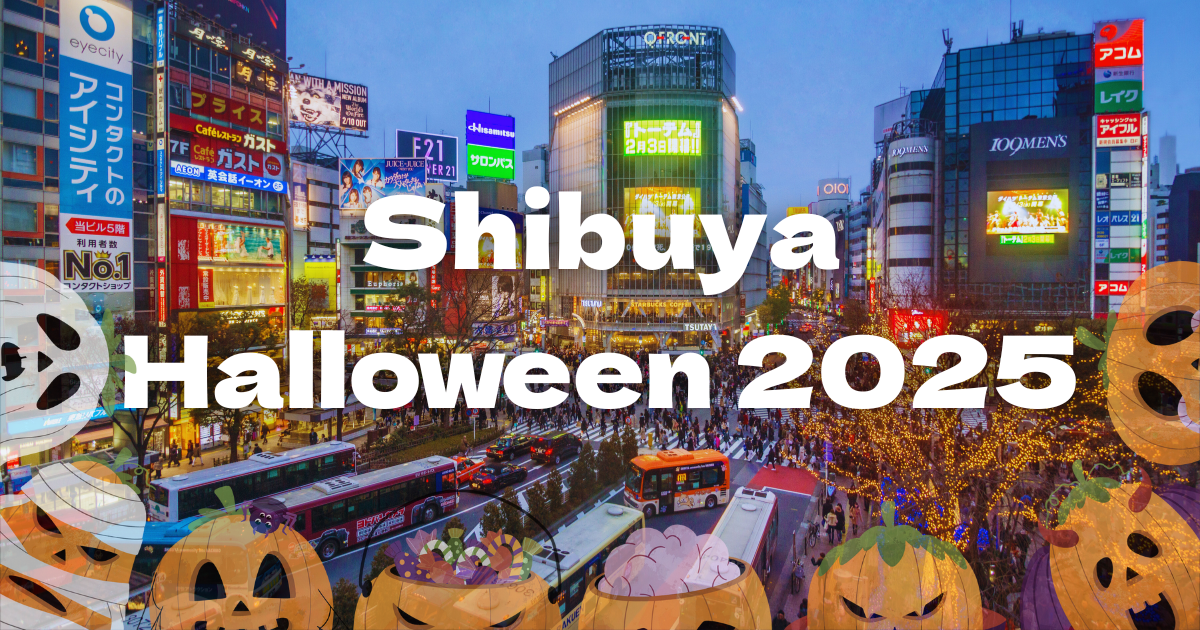
Halloween in Shibuya: What to Know, What to Avoid, and How to Enjoy It
You’ve heard of it. We’ve heard of it. Everyone has...
-

Experience Tokyo With TABIBIYORI – Our Signature Local Tours
Tokyo is one of the world’s greatest cities — but...
-
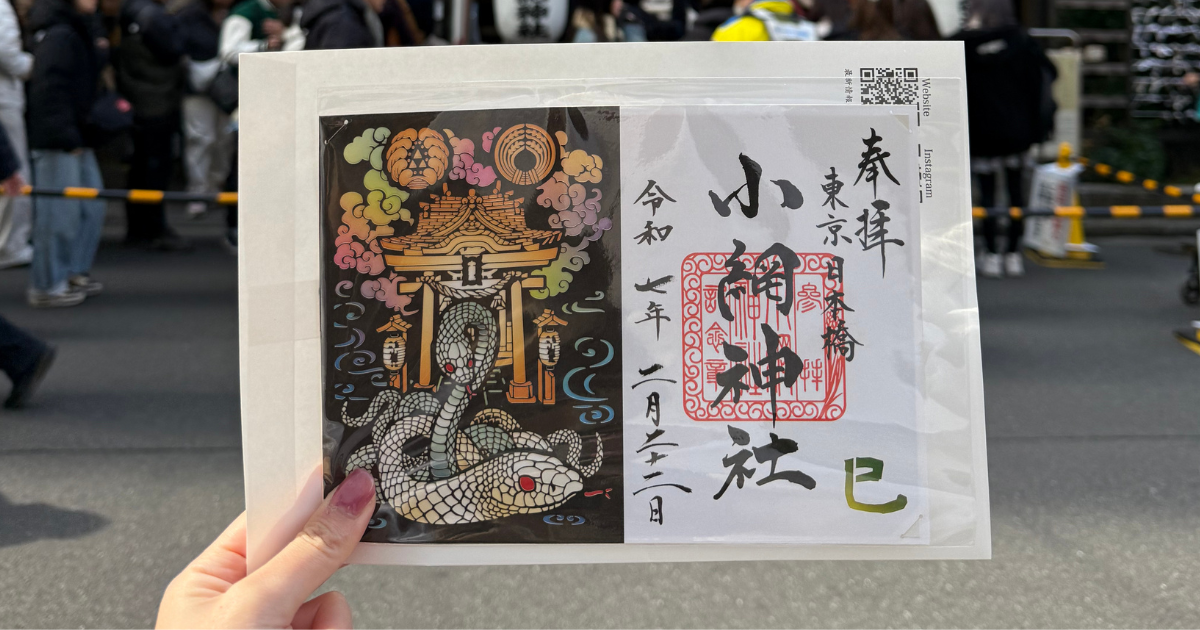
Washing Money
目次 1. Have You Ever Tried Washing Money at a...
-

🌸 How to Book a Tour with TABIBIYORI – An Easy 3-Step Guide!
目次 📲 Contact Us via Your Preferred Messaging App or...

-
Experience Tokyo With TABIBIYORI – Our Signature Local Tours
Tokyo is one of the world’s greatest cities — but...
-
Washing Money
目次 1. Have You Ever Tried Washing Money at a...
-

Toyosu Market – The New Food Capital of Tokyo
Toyosu Market is Tokyo’s new central wholesale market, relocated from...
-

Food Culture and Specialties at Tsukiji Market!
Tsukiji, known as Tokyo’s good culture center, is a treasure...
-
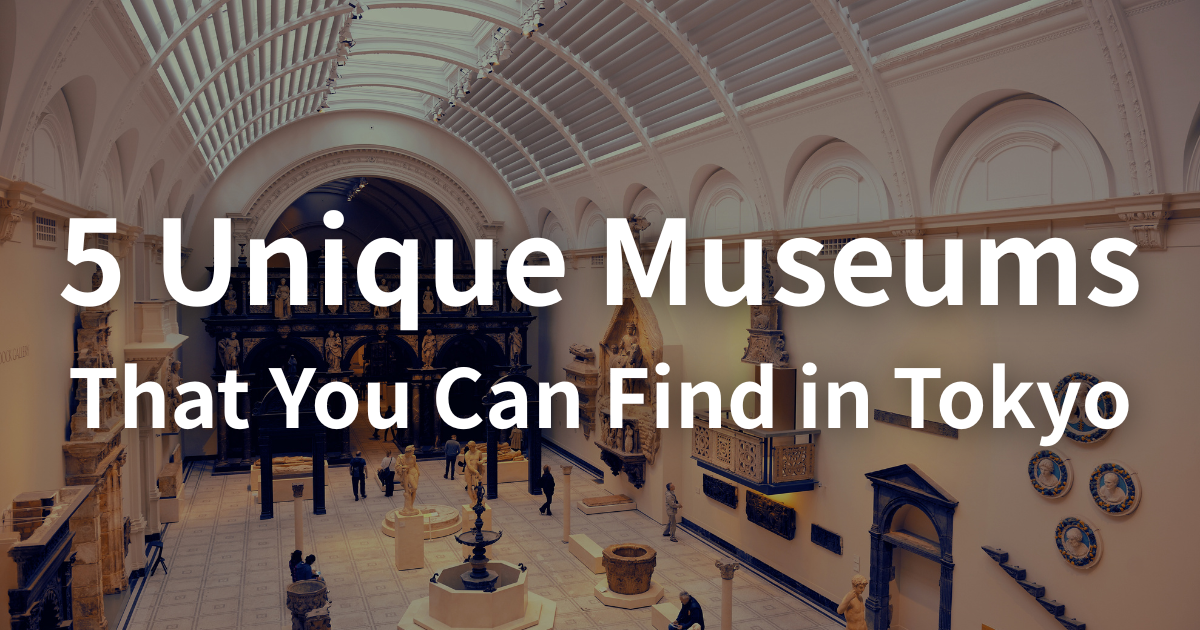
5 Unique Museums That You Can Find in Tokyo
Tokyo is home to some of the most prestigious museums...