Hatsumode Tokyo 2027: My First New Year Shrine Visit at Meiji Jingu
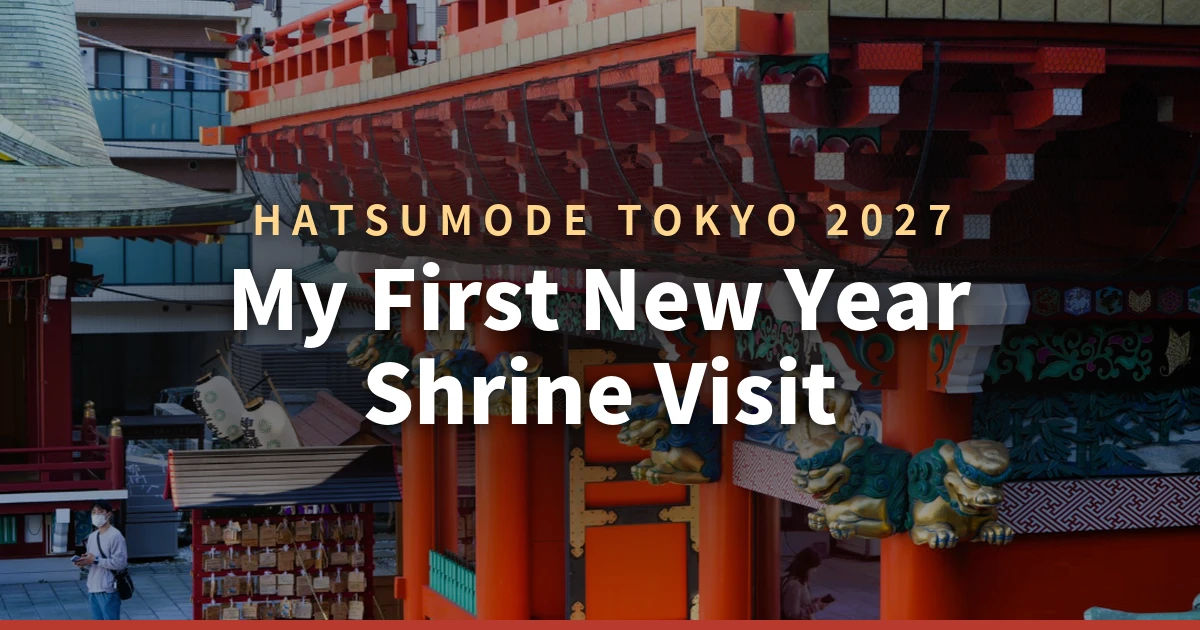
If you're spending New Year in Japan, I recommend trying Hatsumode (初詣), the traditional first shrine visit of the year. As a local, one of my favorite ways to welcome the New Year is visiting a shrine with someone close to me.
This year, I went to Meiji Jingu with my friend. We prayed for our future, good health, and, of course, money! We also checked our fortunes, bought a good luck charm, and enjoyed our first soba of the year.
It was a simple but lovely way to start the New Year. If you're visiting Tokyo during this season, here's how you can enjoy the same Japanese tradition!
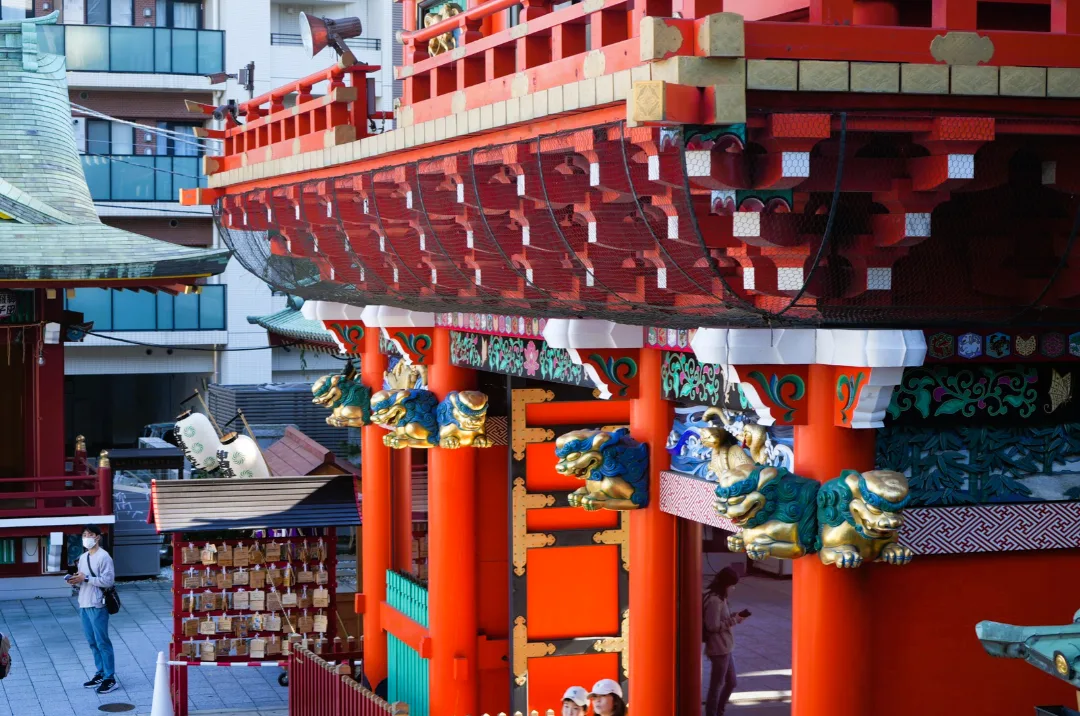
What is Hatsumode in Japan?
Hatsumode (初詣) is the first visit to a Shinto shrine or Buddhist temple during the New Year.
It's a Japanese tradition where people pray for good health, happiness, and success in the year ahead while giving thanks for the previous year.
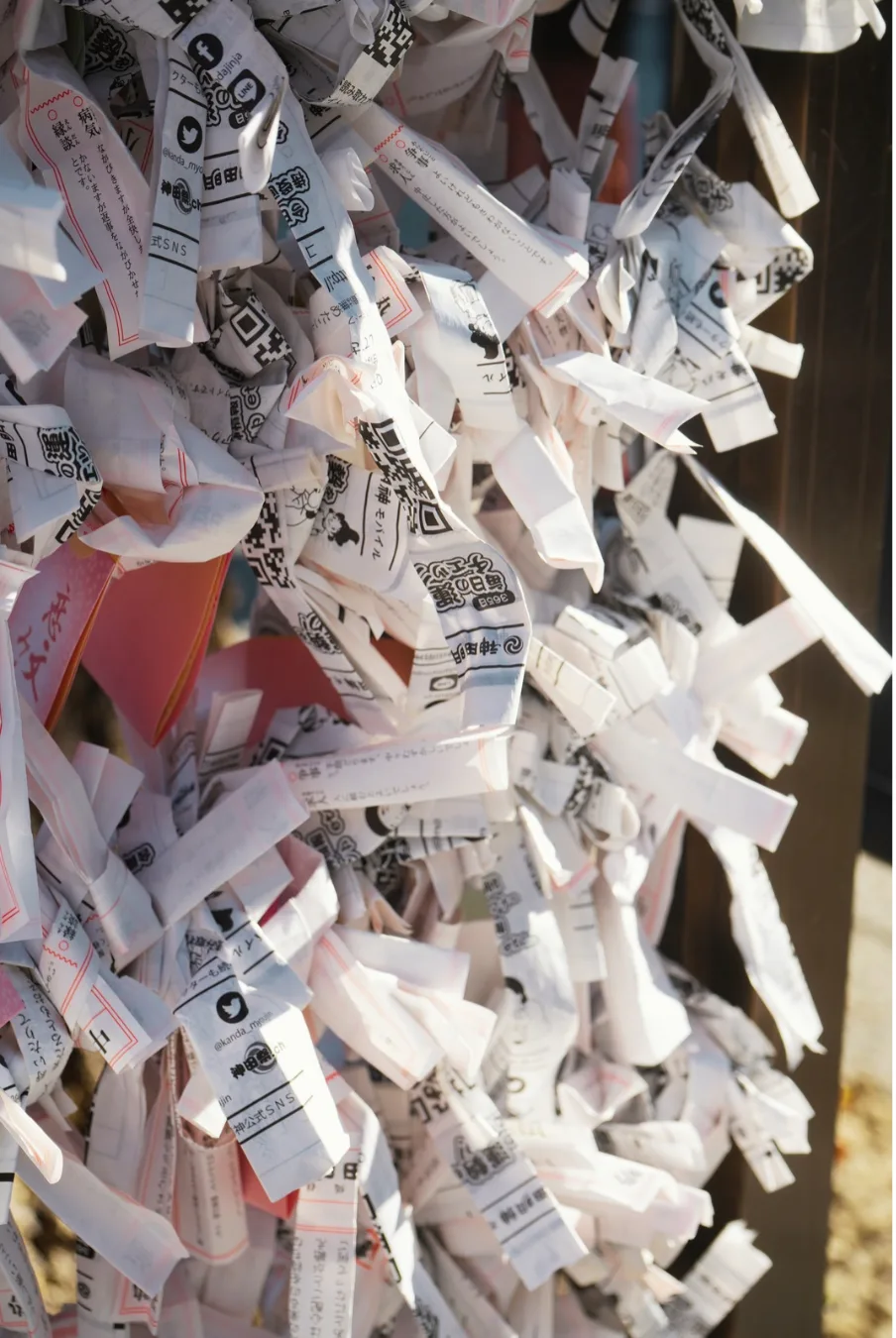
You may see people wearing traditional clothing, buying lucky charms, drawing fortune slips, and enjoying New Year food stalls.
No reservation or special preparation is needed. Just bring some coins if you'd like to make an offering!
When is the best time to visit a shrine for New Year in Tokyo?
There isn't one specific day when you must visit for Hatsumode. However, many Japanese people visit shrines during the first three days of January, known as Sanganichi (三が日).
Here are three times you can choose from.
December 31 – New Year's Eve
Some people visit shrines just before midnight to welcome the New Year. This tradition is called Ninenmairi (二年参り). You can experience a special atmosphere as people gather to pray for the year ahead.
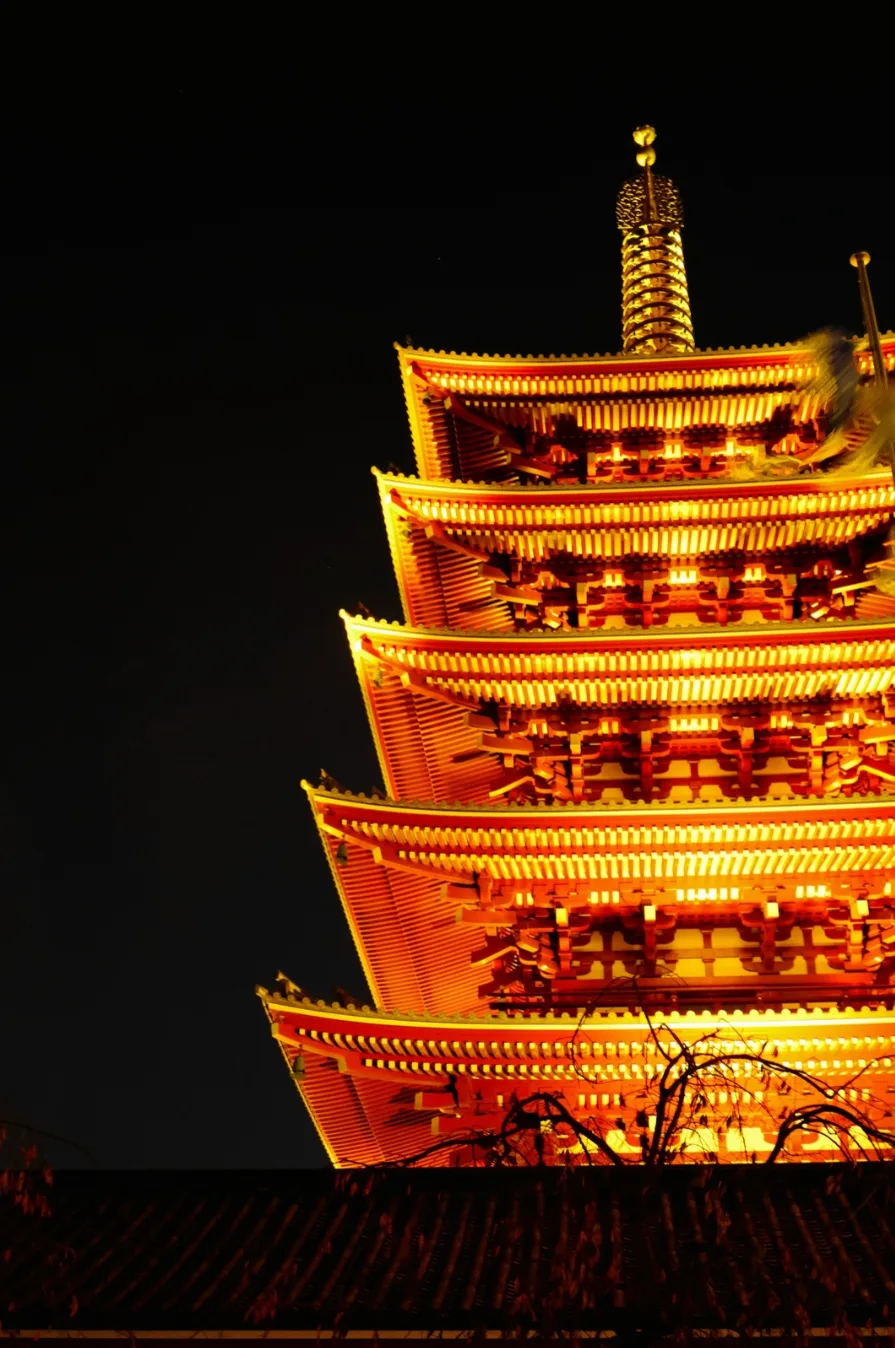
Good for: Travelers who want to experience the excitement of welcoming the New Year at a Japanese shrine.
Things to remember: Expect large crowds around midnight and check your train schedule before visiting.
January 1–3 – The First Three Days of January
These are the most traditional days for Hatsumode. Many Japanese people visit shrines with family and friends.
You can enjoy:
- Traditional New Year decorations
- Good luck charms and fortune slips
- Japanese food stalls
- A lively New Year atmosphere
Good for: First-time visitors who want to experience a traditional Japanese New Year.
January 4 to late January – A More Relaxed Visit
If you prefer avoiding crowds, visiting after the first three days of January is a good option.
You can still make your first shrine visit of the year, pray for good luck, and buy traditional charms where available.
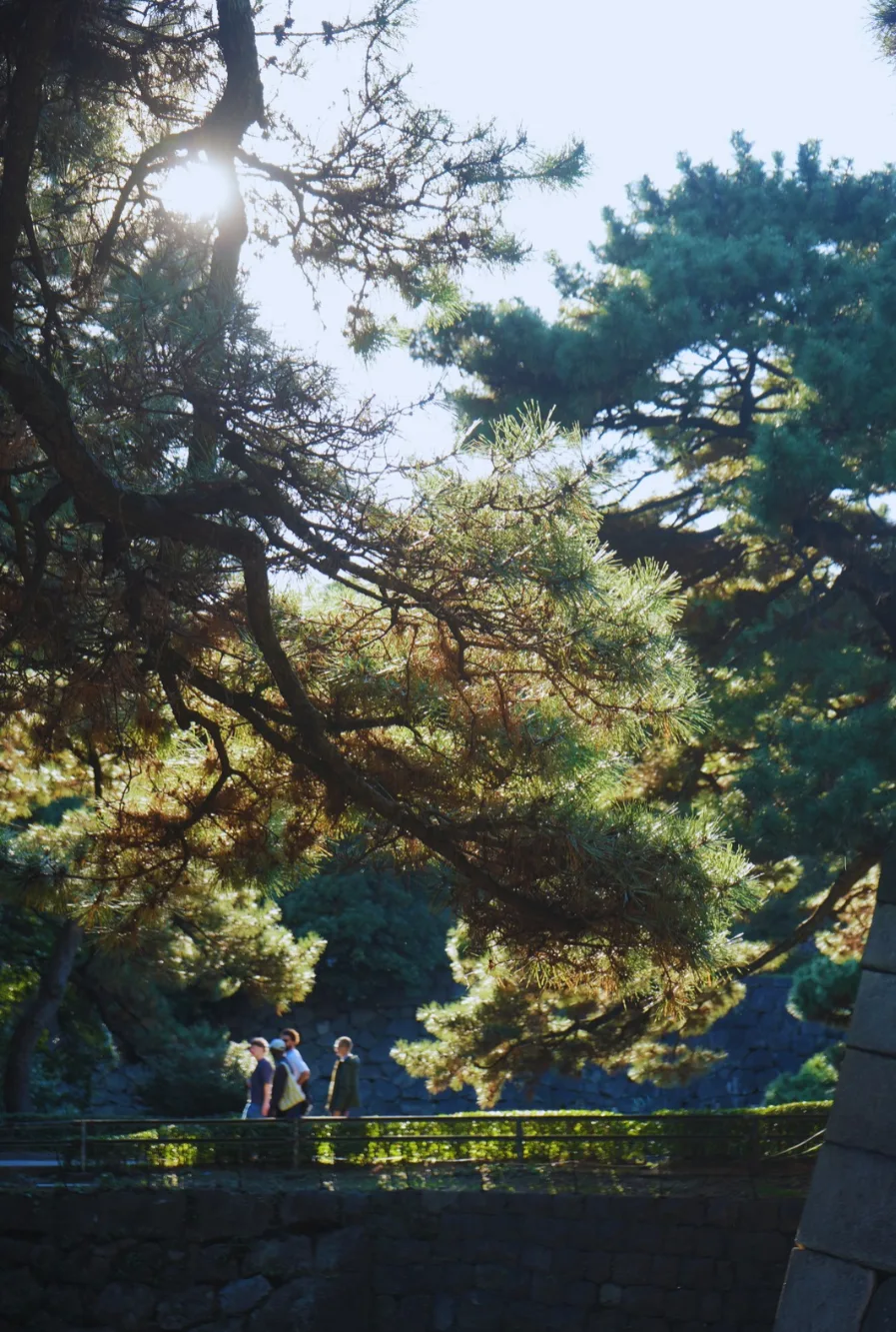
My recommendation: Visit early in the morning after January 3 if you want to enjoy Hatsumode with fewer crowds and shorter queues.
My recommended Hatsumode places in Tokyo
1. Meiji Jingu (明治神宮)
Famous for New Year visits. Pray for health and happiness. (Read more in our Meiji Jingu guide.)
2. Senso-ji Temple (浅草寺)
Tokyo's oldest temple. Enjoy New Year decorations and food stalls.
3. Kanda Myojin (神田明神)
Famous for business success and good luck. It's near Akihabara.
And that's my little guide to Hatsumode in Japan! I hope you have a wonderful experience and wish you all the best for the New Year! ✨
And if you'd like to explore more of Japan like a local, we've created an honest and helpful guidebook for you! Get the free Tokyo Honest Guide here →
Frequently asked questions
What is Hatsumode?
Hatsumode (初詣) is the first visit to a Shinto shrine or Buddhist temple in the New Year. People pray for good health, happiness and success in the year ahead and give thanks for the previous year.
When do people go for Hatsumode in Tokyo?
Many people in Tokyo go for Hatsumode during the first three days of January, called Sanganichi (三が日). Some go just before midnight on December 31, which is called Ninenmairi (二年参り).
When is Hatsumode least crowded?
Hatsumode is least crowded after the first three days of January. Going early in the morning after January 3 means fewer crowds and shorter queues.
Do I need a reservation for Hatsumode?
No reservation or special preparation is needed for Hatsumode. Just bring some coins if you would like to make an offering.
Where should I go for Hatsumode in Tokyo?
Three recommended places for Hatsumode in Tokyo are Meiji Jingu, famous for New Year visits; Senso-ji, Tokyo's oldest temple, with New Year decorations and food stalls; and Kanda Myojin near Akihabara, known for business success and good luck.
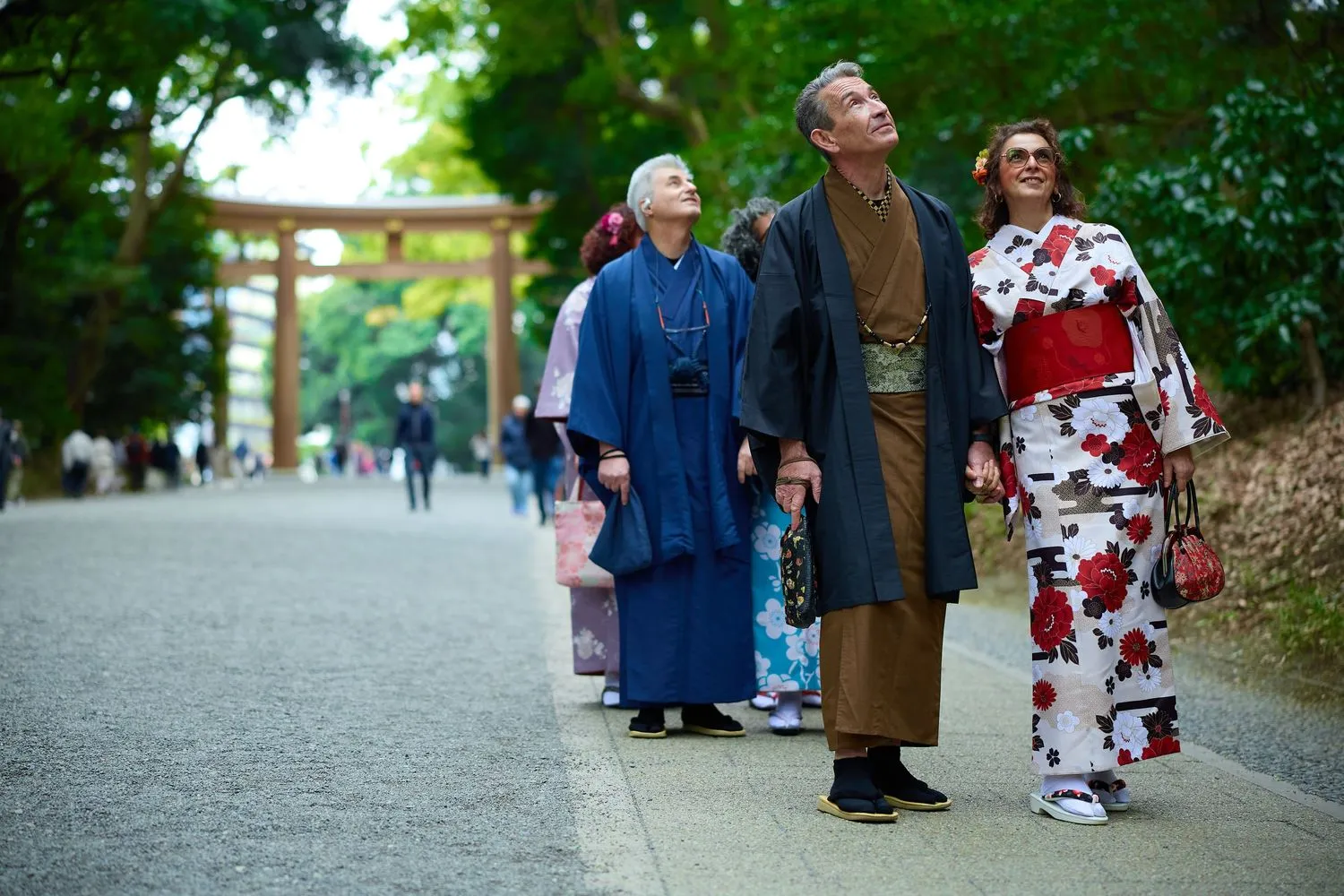
Kimono Photo Experience
Wear a kimono, walk through Tokyo, and take home beautiful photos.
From ¥35,000
See the experience →Planning a trip? Book a free 30-minute chat or get our free Tokyo guide.
Free tools: Tokyo season calendar · Food allergy card · Trip budget calculator